
Blog adhd cleaning
ADHD Cleaning Tips That Work on Low-Focus Days
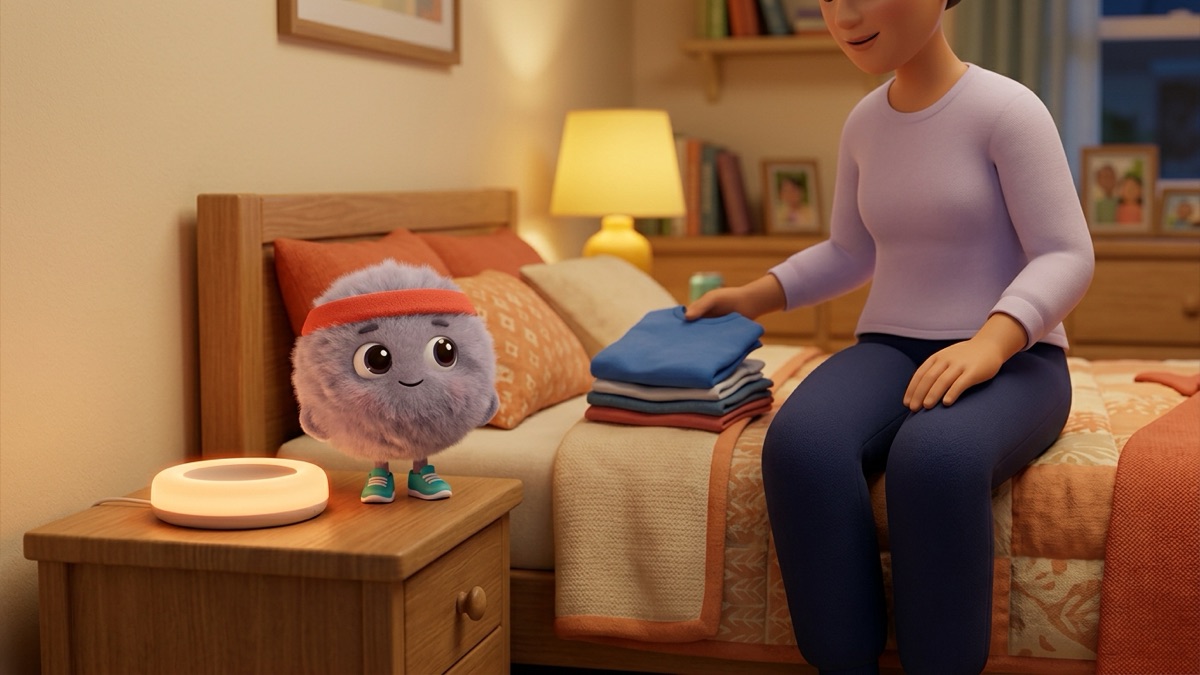
You have read the cleaning advice. Make a schedule. Declutter first. Just start. Lovely. Now it is 9 pm, your focus left the building an hour ago, and the laundry pile has developed its own weather system.
These tips are for exactly that moment. Each one is a single action, and they are grouped by what is actually going wrong.
Quick answer
The best ADHD cleaning tips shrink the job and make it visible. When you cannot start, pick one tiny task and set a 5 minute timer. When you get distracted, carry a basket instead of leaving the room. When you forget, put reminders where the mess happens. When you lose steam, stop and count what you finished.
Key takeaways
- Match the tip to the problem you have today: cannot start, keep getting distracted, keep forgetting, or running out of steam.
- Every tip here is one action you can take in the next few minutes. No new system required.
- A timer and a basket solve a surprising number of cleaning problems.
- Stopping on time and skipping a task are part of the method, not a failure of it.
- If focus problems make daily life hard well beyond cleaning, a health care provider can help.
Why do ordinary cleaning tips miss the mark?
Most cleaning advice assumes the hard part is knowing what to do. With ADHD, the hard part is usually starting, staying on track and remembering. NIMH lists trouble organizing tasks, managing time and forgetting daily activities such as chores among the signs of inattention, and CHADD calls getting and staying organized "a real challenge" for many adults with ADHD.
So these tips aim at those four sticking points. Find the one that sounds like tonight and start there:
| If today you | Try first | Sprint length |
|---|---|---|
| Cannot start | Tip 1 or 2 | 5 minutes |
| Keep getting distracted | Tip 6 or 8 | 10 minutes |
| Keep forgetting | Tip 11 or 12 | No timer needed |
| Run out of steam | Tip 16 or 17 | 5 minutes, then decide |
Tips for when you cannot start
1. Pick a task, not a room
"Clean the bedroom" is a project. "Put every piece of clothing on the floor into the hamper" is a task. Choose one with a verb, one object and a finish line you can see.
2. Set a 5 minute timer and promise you can stop
Five minutes is short enough that your brain stops arguing. When it ends, you really are allowed to stop. CHADD's "Just for 15 minutes" idea works the same way: set a timer, focus on one thing, and when it goes off, decide whether to keep going.
3. Start with trash
Trash needs zero decisions. Walk through with a bag and collect 10 pieces. It makes a visible difference fast, and there is nothing to sort.
4. Start with the spot you see first
The view from the front door, or the one from your pillow. Clearing the first thing you see changes how the whole room feels, which makes the second task easier.
5. Choose the reward before you start
CHADD suggests picking a reward before you start an organizing task, then making sure you actually give it to yourself. Decide now: tea, one song, 5 minutes of a show.
Tips for when you keep getting distracted
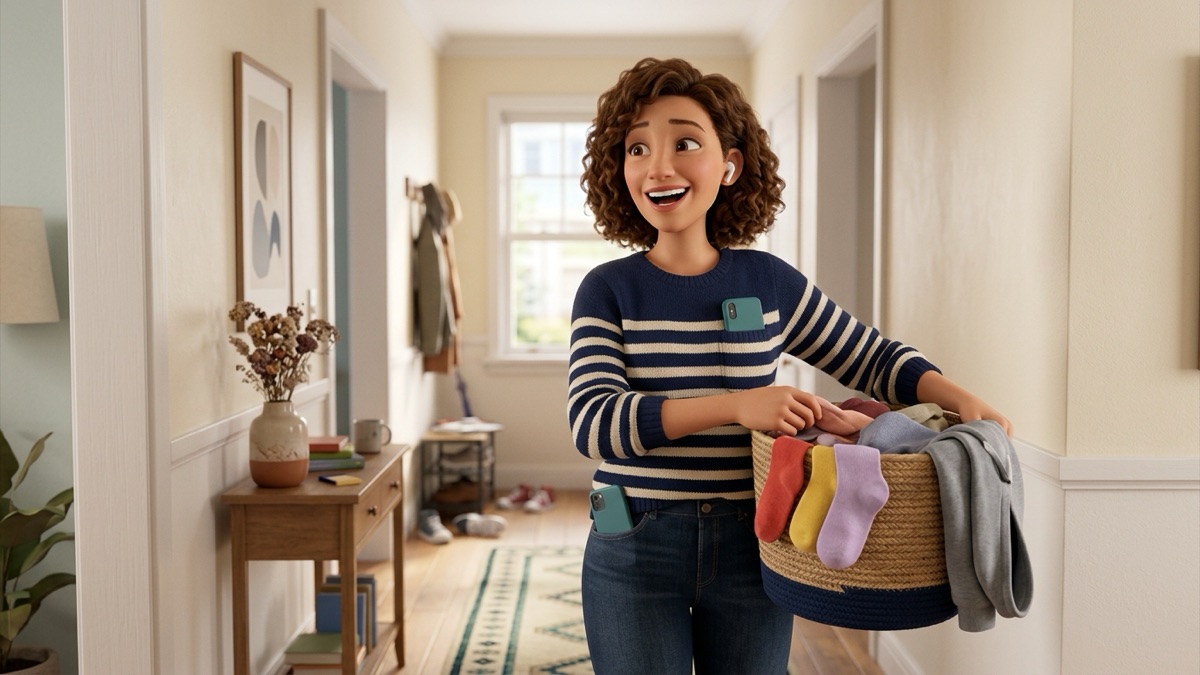
6. Carry a "goes somewhere else" basket
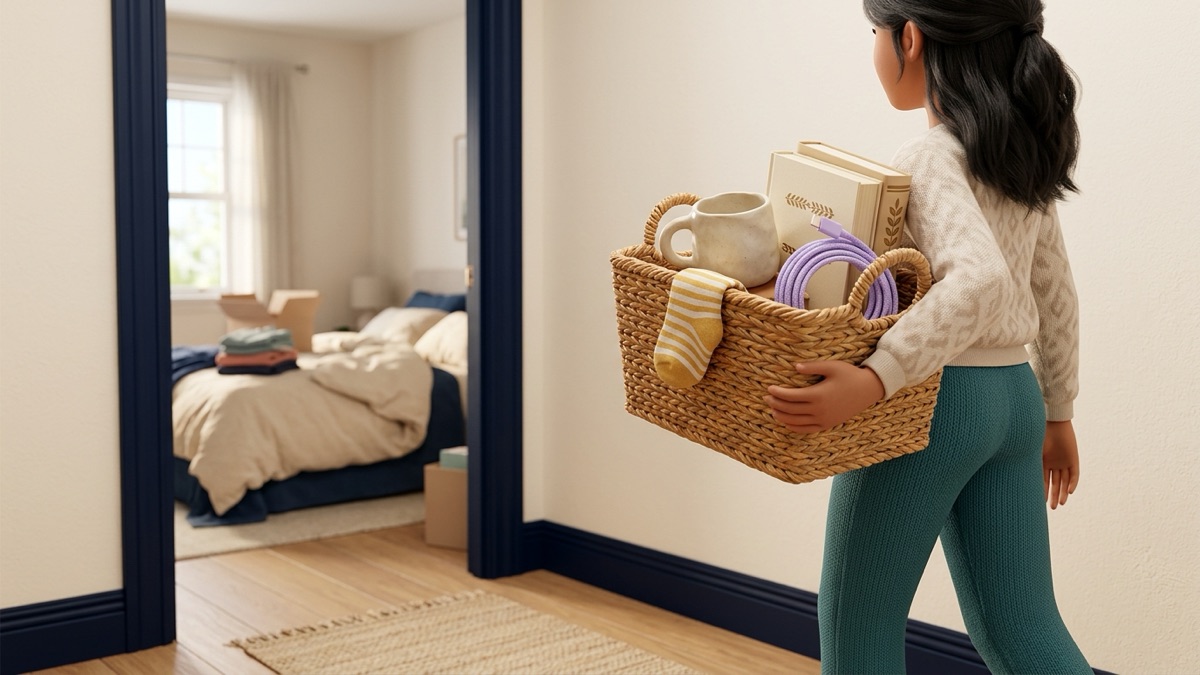
The classic trap: you walk a mug to the kitchen, notice the dishes, start the dishes, and the bedroom is quietly abandoned. CHADD suggests keeping a box or basket handy for out-of-place items while you clean a room, then putting them away at the end. You stay put. The basket travels later.
7. Let the phone be the timer and nothing else
Start the timer, then put the phone face down across the room. If you want music, pick the playlist before the timer starts, not during.
8. Clean to one playlist
CHADD notes that some people put on a favorite playlist, start organizing and keep going until it finishes. Songs make a timer you can hear, and the last song is a built-in finish line.
9. Work around the room like a clock
CHADD's "Around the Clock" method: stand in the doorway, call that spot 12:00, organize it first, then work around the room section by section. If the whole room is too much, do one or two "hours" per session.
10. Bring a body double
A friend on a video call doing their own dishes, or someone reading on the sofa while you tidy. CHADD describes a body double as a friend or partner who works at the same time as you, in the same room or over video chat. Research is still early, but many people with ADHD say company helps them start and keep going. Our guide to body doubling for ADHD covers the options.
Tips for when you keep forgetting
11. Write chores as actions, where you will see them
CHADD's to-do list advice: specific actions tend to get done, vague ones get skipped, and a list only works where you will see and use it. "Wipe the counters" on the fridge beats "clean kitchen" in a notebook in a drawer. Our guide to choosing an ADHD planner for adults helps if you want a proper home for the list.
12. Tie a chore to something you already do
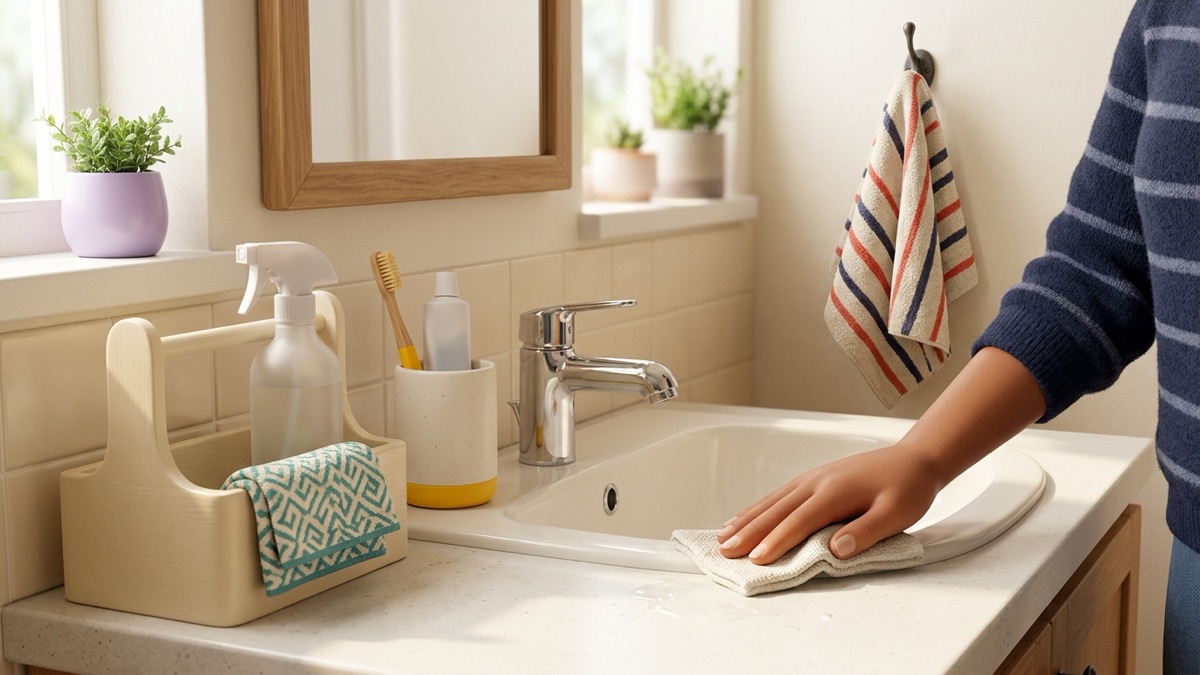
Wipe the bathroom sink right after you brush your teeth. Start the dishwasher when you switch off the kitchen light. The old habit becomes the reminder, so you do not have to remember a new one.
13. Keep supplies where the mess happens
A cloth and one gentle spray in the bathroom, another set in the kitchen. If small children or pets live with you, keep cleaners in a cabinet with a child-resistant latch, as Poison Control advises. Either way, the EPA says to keep products in their original labeled containers.
14. Set reminders that name the task
A phone reminder that says "clean" gets swiped away. One that says "move the laundry to the dryer" at 7 pm has a much better chance.
15. Leave the cue in plain sight
Put the hamper where you actually undress, the donate bag by the closet door and the mail tray by the entrance. Out of sight tends to mean out of mind, so let the setup do the reminding. Our list of ADHD organization tools has more ideas like these.
Tips for when you run out of steam
16. Stop when the timer stops
A sprint that ends on time is one you will be willing to start again tomorrow. Leave while it still feels doable.
17. Lower the bar on purpose
Pulled-up covers count as a made bed. Ten washed dishes count as doing the dishes. Done is better than perfect, and "good enough for today" is a real finish line.
18. Take a real break
Sit down, drink some water, look out of the window. CHADD suggests timer blocks of 15 minutes with breathers in between. A break is part of the plan, not a sign you quit.
19. Count what you finished
Look back at what you did: 3 tasks, 5 tasks, one clear chair. The room may not be finished, but the sprint is, and that is worth noticing.
20. Leave one easy step for future you
Refill the pan with hot, soapy water and walk away. Set the detergent on top of the washer. Tomorrow then starts with something half done, which is much easier than starting from zero.
The 10 minute version
Pull five of the tips into one short sprint:
| Minutes | Do this | Tip |
|---|---|---|
| 0 to 1 | Pick one room and choose your reward | 1, 5 |
| 1 to 3 | Walk through with a bag and collect trash | 3 |
| 3 to 7 | Fill the basket with things that live elsewhere | 6 |
| 7 to 9 | Clear the surface you see first | 4 |
| 9 to 10 | Count what you finished, then take the reward | 19 |
Try it
The free cleaning sprint timer packs several of these tips into one screen: pick a room and 5 to 20 minutes, get one tiny task at a time, skip what does not fit, and finish with a short summary and a small reward idea. Zip, our dust bunny body double, keeps you company on screen.
Heads up
Use one cleaner at a time and follow the label. Never mix bleach with ammonia, vinegar or other cleaners, because the mix can release gases that are dangerous to breathe. Open a window or run the fan in small rooms like bathrooms.
The takeaway
You do not need all 20 tips. You need the one that fits the problem in front of you tonight: a tiny task and a timer when you cannot start, a basket when you keep wandering off, a visible cue when you forget, and permission to stop when you run out of steam.
For the bigger picture, including why these problems show up with ADHD, read our ADHD cleaning guide, and for making tidy spots easier to keep, see ADHD home organization. The TidySprint app, coming soon, will pick the tiny tasks for you from a photo of the room.
TidySprint guides share practical cleaning and routine ideas. They are not medical advice, diagnosis or treatment. If ADHD, depression or anything else is making daily life hard, please talk to a clinician. Using a strong cleaner? Open a window, follow the label, and never mix bleach with ammonia, vinegar or other cleaners.
Questions people ask
What is the easiest way to start cleaning with ADHD?
Pick one tiny task with a clear finish line, like throwing away 3 pieces of trash, and set a timer for 5 minutes. Promise yourself you can stop when it ends, and mean it.
How do I stop getting distracted while cleaning?
Carry a basket for things that belong in other rooms instead of walking them there one at a time. Stay in one room until the timer ends, then deliver the basket.
Why do I forget to clean even when I want to?
NIMH lists forgetting daily activities such as chores among the signs of inattention in ADHD. Put reminders where the mess happens and write chores as specific actions on a list you will actually see.
How long should an ADHD cleaning session be?
Short enough to start without dread. CHADD suggests sessions of 10 to 15 minutes if longer ones feel frustrating, and timer blocks of 15 minutes with breathers in between. Five minutes is fine on a hard day.
Where these facts come from
- CHADD National Resource Center on ADHD: Organizing the Home and Office Space: chadd.org/for-adults/organizing-the-home-and-office-space/
- CHADD National Resource Center on ADHD: Time Management and ADHD, To-Do Lists: chadd.org/for-adults/time-management-and-adhd-to-do-lists/
- CHADD ADHD Weekly: Could a Body Double Help You Increase Your Productivity?: chadd.org/adhd-weekly/could-a-body-double-help-you-increase-your-productivity/
- NIMH: Attention-Deficit/Hyperactivity Disorder, What You Need to Know: www.nimh.nih.gov/health/publications/attention-deficit-hyperactivity-disorder-wh
- Poison Control: Top tips for a safe spring cleaning: www.poison.org/articles/spring-cleaning
- EPA: Household Hazardous Waste: www.epa.gov/hw/household-hazardous-waste-hhw
- CDC: Cleaning and Disinfecting with Bleach: www.cdc.gov/hygiene/about/cleaning-and-disinfecting-with-bleach.html
Read next
adhd cleaning
ADHD Cleaning: A Zero-Shame Guide to a Tidier Home


adhd cleaning
ADHD Paralysis and Cleaning: How to Get Unstuck

adhd cleaning
A Dopamine Menu for Cleaning: Make Tidying Feel Good
body doubling
Body Doubling for Cleaning: 9 Ways to Try It Today
how to clean
How to Clean Baseboards: The 10 Minute Version