
Blog decluttering
Decluttering Checklist: Room by Room, One Box at a Time
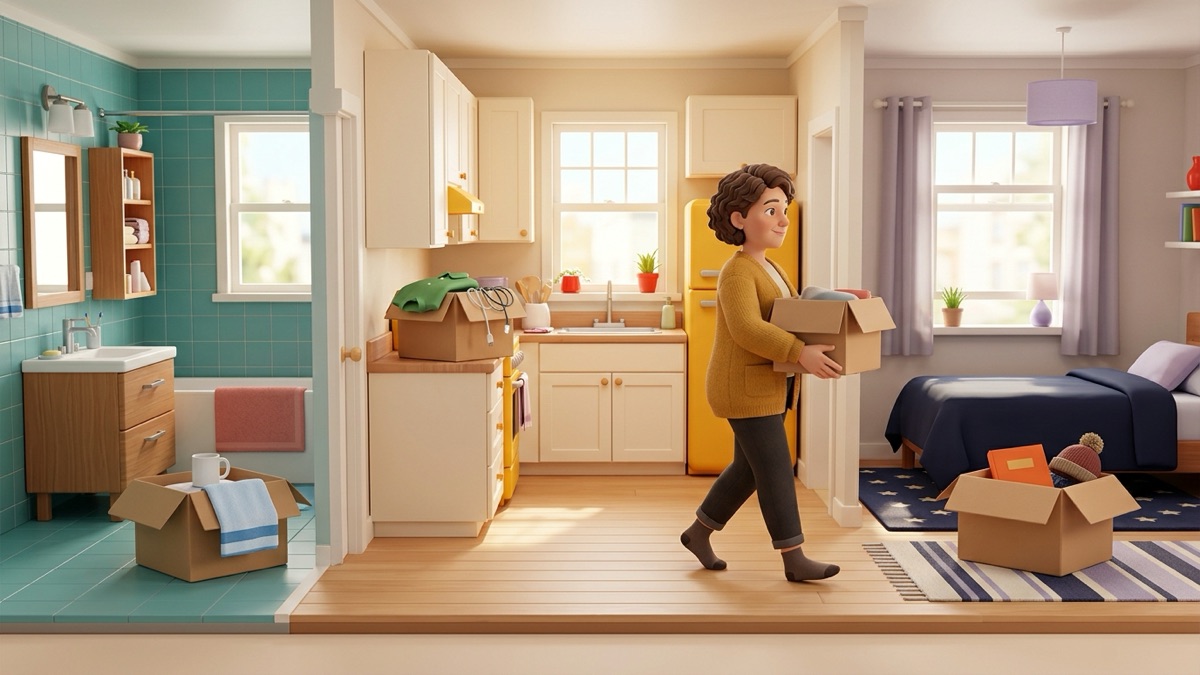
You searched for a checklist, which means some part of you is ready to start. Good. This one is ordered so the easy stuff comes first and the hard stuff comes last, when you have had some practice.
Quick answer
Declutter the easiest rooms first (bathroom, kitchen, entryway) and the hardest last (closets, paper, keepsakes). In each room, pull four easy wins: expired, duplicate, broken and unused things. Use one box per room plus a trash bag, and send each box to its next stop the same week.
Key takeaways
- Go easiest first: low-feeling rooms before closets, paper and keepsakes.
- In every room, hunt four easy wins: expired, duplicate, broken and unused.
- One room, one box, one trash bag. When the box is full, the session is done.
- Every box has a next stop (donate, sell, recycle or a drop-off) and leaves within a week.
- Stuck on one item? Put it in the maybe box or use the decision helper, then keep moving.
What should you declutter first?
Start with the things that need the fewest decisions, in the rooms that hold the fewest feelings. A bathroom drawer full of expired sunscreen is easy. A box of letters from your grandmother is not. Practice on the easy ones and the hard ones get a little easier later.
Inside every room, look for the same four easy wins, in this order:
- Expired: things with a date that has passed or that are used up.
- Duplicates: the third spatula, the fifth tote bag, the extra phone charger.
- Broken: anything missing a part that you will not fix this week.
- Unused: things you have not touched in about a year.
Everything else can wait for a second pass. If you are starting from "I cannot even look at it," read how to start decluttering when you feel overwhelmed first, then come back here.
How does one box per room work?
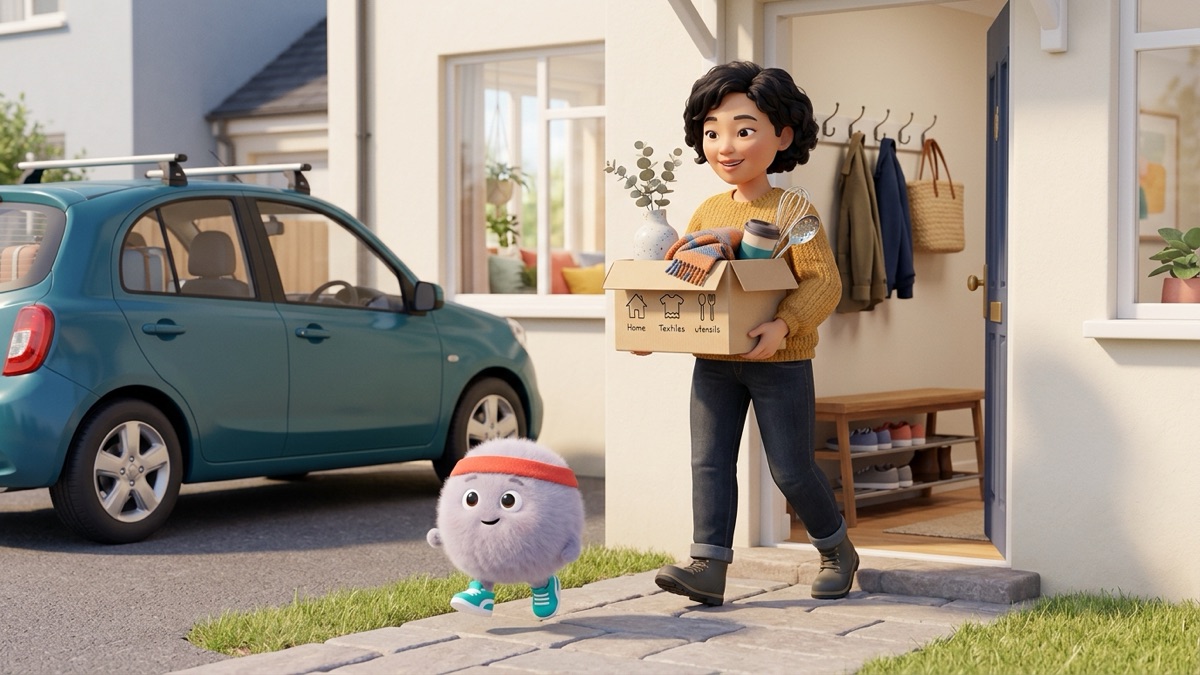
Carry one box and one trash bag into a room. Fill the box with things leaving the house and the bag with trash. When the box is full, or your timer rings, you are done for that session. The box goes straight to its next stop instead of waiting by the door.
This keeps each session short and finished. It also stops the "everything out on the floor" moment that makes a room look worse halfway through. CHADD suggests planning short sessions of 30 to 60 minutes, or 10 to 15 minutes if longer feels frustrating, and that fits this system well: one room, one box, one short session.
| Room | Easy wins to look for | Box goes to | Time |
|---|---|---|---|
| Bathroom | Expired toiletries, old medicine, samples | Trash, take-back, donation | 10 minutes |
| Kitchen | Duplicates, stained containers, expired food | Donation, recycling | 15 minutes |
| Entryway | Single gloves, dead umbrellas, junk mail | Trash, donation | 10 minutes |
| Living room | Old magazines, dead cables, worn throws | Recycling, e-waste drop-off | 15 minutes |
| Bedroom | Clothes that do not fit, nightstand clutter | Donation, trash | 15 minutes |
| Paper and office | Old manuals, expired coupons, dead pens | Recycling, shredding | 15 minutes |
| Keepsakes | Last, and only when you feel ready | Maybe box or memory box | 10 minutes |
The decluttering checklist, room by room
Each list below is ordered easiest first. Stop wherever your timer stops.
Bathroom
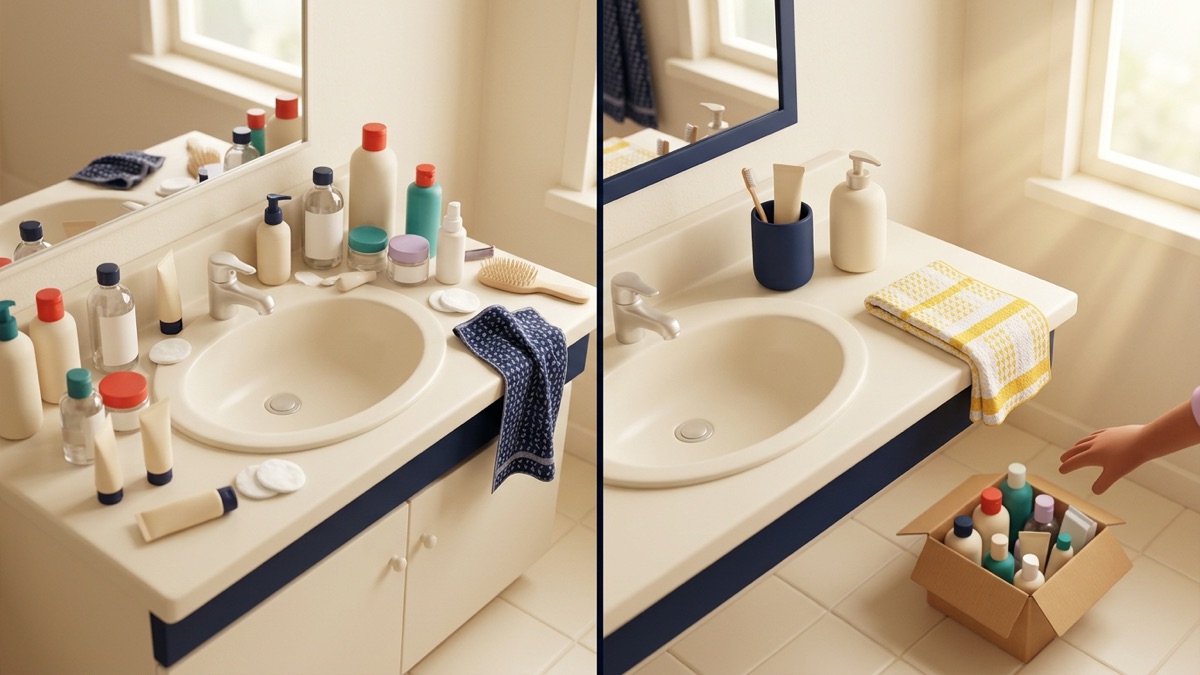
- Toss empty bottles, dried-up samples and hotel minis you will never use.
- Check expiration dates on sunscreen, medicine and first aid supplies.
- Take unused or expired medicine to a drug take-back location or use a mail-back envelope. The U.S. Food and Drug Administration calls take-back the best option for most medicines.
- Let go of makeup and skincare that has changed smell, color or texture.
- Keep one or two spare toothbrushes and razors, not a small shop's worth.
- Retire towels that are thin, frayed or scratchy, and keep a set or two per person.
Kitchen
- Match food containers with lids. Recycle the orphans.
- Pick your favorite mugs and let the rest go.
- Pull duplicate tools: the second peeler, the third wooden spoon you never reach for.
- Clear out takeout sauce packets, stray chopsticks and freebies.
- Check the pantry. USDA says "best if used by" dates are about quality, not safety, except for infant formula, so toss food that shows signs of spoilage (off smell, flavor or texture) rather than everything past the date.
- Donate small appliances you have not used in a year, if they work.
Entryway and coat closet
- Toss single gloves, broken umbrellas and shopping bags beyond a handful.
- Recycle junk mail before it lands anywhere.
- Donate coats and shoes nobody in the house wears.
- Leave one hook or basket per person for what they use every day.
Living room
- Recycle old magazines, catalogs and flyers.
- Gather dead remotes, cables and chargers for devices you no longer own.
- Donate DVDs, games and decor you are keeping out of habit.
- Check throw blankets and pillows: keep the ones you actually use.
Bedroom
- Clear the nightstand top and drawer: receipts, wrappers, dead pens, empty glasses.
- Pull clothes that have not fit in a long time or that you avoid wearing.
- Pair socks and let the singles go.
- Check under the bed for things you forgot you had. If you did not miss them, that is your answer.
- For a sprint-by-sprint plan, see how to declutter your room.
Paper and home office
- Recycle expired coupons, old catalogs and manuals you can find online.
- Test pens and markers; toss the dead ones.
- Shred old papers with personal details before recycling them.
- Keep important documents together in one folder or box, and do not put them in the maybe box.
Keepsakes and photos
- Save these for last, when your deciding muscles are warmed up.
- Keep what makes you feel good. Guilt is not a reason to keep something.
- Take a photo of an item if the memory matters more than the object.
- Use one memory box with a clear limit, so keepsakes stay special.
Which items need special handling?
A few things do not belong in the trash or the donate box. They take one extra step, but they matter.
- Old cleaning products and paint: the EPA says leftover paints, cleaners, oils, batteries and pesticides can contain hazardous ingredients. Keep them in their original containers with the labels on, never combine half-empty bottles to save space, and read the label for disposal directions. Your local solid waste agency can tell you about drop-off days.
- Batteries: the EPA says lithium-ion and button batteries should never go in household trash or recycling bins, because they can start fires. Tape the ends or bag each one separately and take them to a battery drop-off.
- Phones, laptops and tablets: delete your personal information first, then look for an electronics donation or recycling program. The EPA notes that manufacturers and retailers offer several options.
- Medicine: use a take-back location or mail-back envelope. If neither is available, follow the disposal directions from the U.S. Food and Drug Administration.
Heads up
Clearing out old cleaners can mean handling strong products. Open a window or run the fan, wear gloves if the label says to, and keep children and pets out of the room while you sort.
The 10 minute version
No time for a whole room? Do one drawer or one shelf with this mini checklist:
- Grab one bag and one small box.
- Toss anything empty, expired or broken (3 minutes).
- Pull out duplicates and anything you have not used in a year (4 minutes).
- Put back what stays so you can see it (2 minutes).
- Carry the box to your car or the door, and the bag to the trash (1 minute).
Repeat tomorrow with the next drawer. Ten minutes a day adds up faster than one giant weekend that keeps getting postponed.
What do you do with the tricky items?
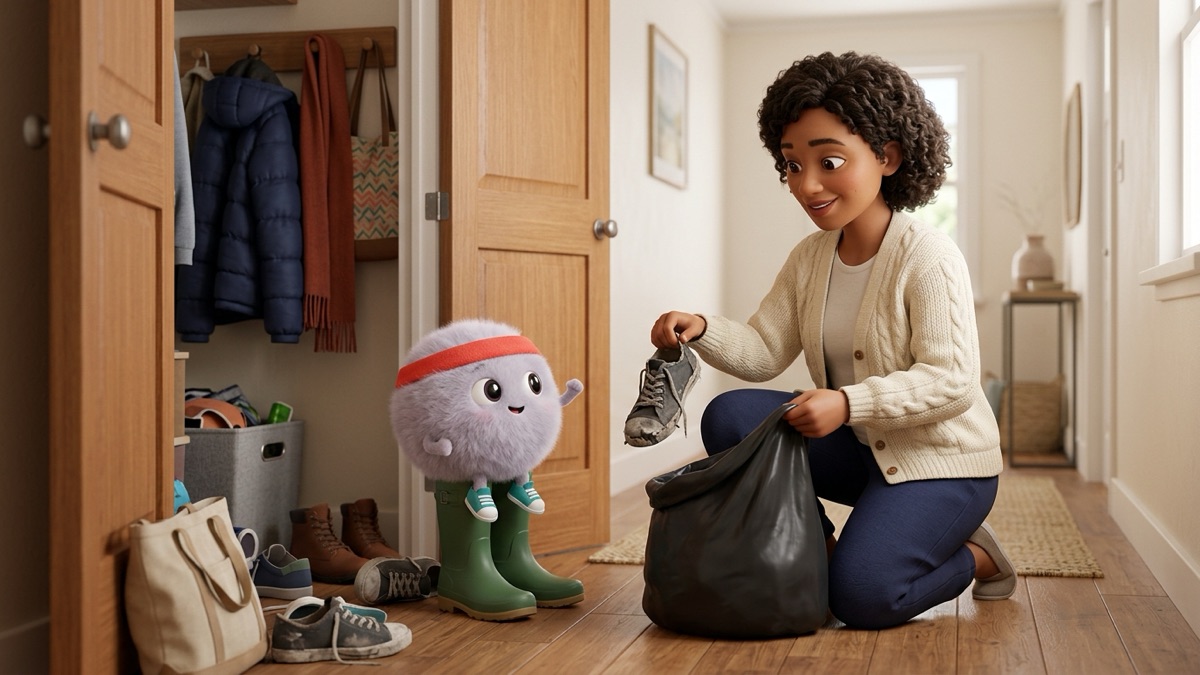
You will hit items that stop you cold: the expensive gadget you never use, the sweater from a friend, the cable that might belong to something. Do not let one item stall the whole session.
Try it
Pick up the tricky item and run it through the free declutter decision helper. A few yes or no questions give you a verdict: keep, donate, sell, toss or the maybe box. It keeps a tally, so you can see how much is on its way out.
If you still cannot decide, it goes in the maybe box: sealed, dated and checked again in 30 days. And if you would rather have a hand with the whole house, our guide to decluttering services explains what a professional organizer does.
The TidySprint app, coming soon, will turn a photo of a room into a short list of tiny decluttering tasks.
The takeaway
A decluttering checklist is not a test you pass. It is a menu. Start with the easiest room and the easiest category, fill one box, and send it on its way. Tomorrow, pick the next room. The keepsakes will still be there when you are ready for them.
TidySprint guides share practical cleaning and routine ideas. They are not medical advice, diagnosis or treatment. If ADHD, depression or anything else is making daily life hard, please talk to a clinician. Using a strong cleaner? Open a window, follow the label, and never mix bleach with ammonia, vinegar or other cleaners.
Questions people ask
What should I declutter first?
Start with the room that holds the least feeling, usually the bathroom or kitchen, and with the easiest category: trash, then anything expired, then duplicates, broken things and things you have not used in a year. Save sentimental items and photos for last.
What are easy things to declutter?
Expired medicine and toiletries, dried-up pens, takeout sauce packets, extra mugs, chargers for devices you no longer own, single socks, old magazines, and clothes that have not fit for a long time. None of them needs much thought.
Should I throw away food past its best by date?
Not automatically. USDA says best if used by dates are about quality, not safety, except for infant formula. Toss food that shows signs of spoilage, such as an off smell, flavor or texture, and anything you know you will not eat.
How long does it take to declutter a whole house?
There is no set time, and it does not have to happen at once. One room per session, or one box per room, in short sprints over a few weeks is a pace most people can keep up.
Where these facts come from
- USDA Food Safety and Inspection Service: Food Product Dating: www.fsis.usda.gov/food-safety/safe-food-handling-and-preparation/food-safety-bas
- U.S. Food and Drug Administration: Disposal of Unused Medicines: www.fda.gov/drugs/safe-disposal-medicines/disposal-unused-medicines-what-you-sho
- EPA: Household Hazardous Waste: www.epa.gov/hw/household-hazardous-waste-hhw
- EPA: Read the Label First! Protect Your Household (fact sheet 740-F-15-006): www.epa.gov/sites/default/files/2016-02/documents/household.pdf
- EPA: Used Household Batteries: www.epa.gov/recycle/used-household-batteries
- EPA: Electronics Donation and Recycling: www.epa.gov/recycle/electronics-donation-and-recycling
- Poison Control: Top tips for a safe spring cleaning: www.poison.org/articles/spring-cleaning
- CHADD: Organizing the Home and Office Space: chadd.org/for-adults/organizing-the-home-and-office-space/
Read next
decluttering
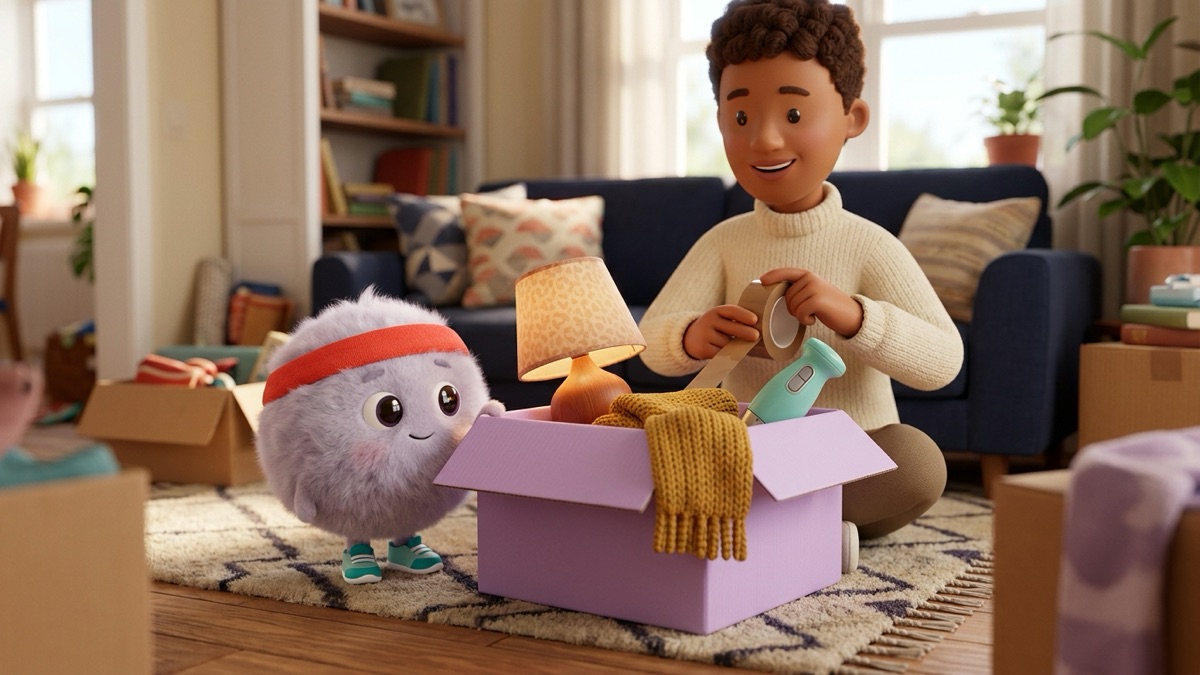
The Maybe Box: Declutter Without the Panic

decluttering
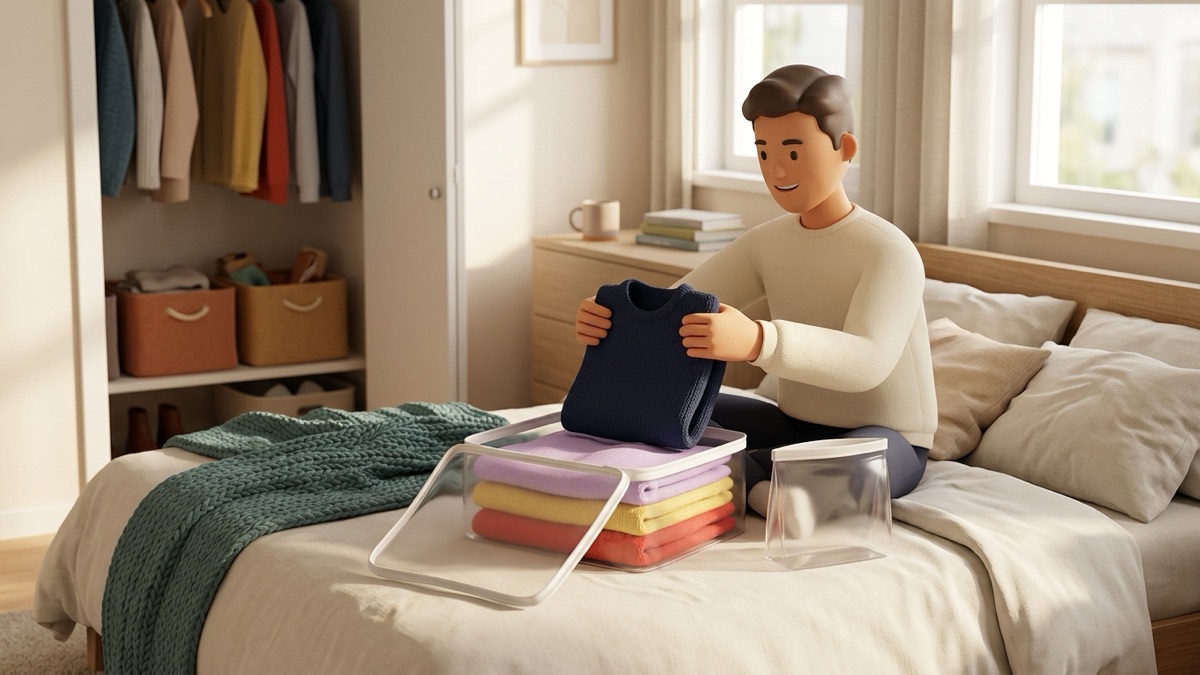
Where to Donate Clothes: A No-Guilt Guide
adhd cleaning
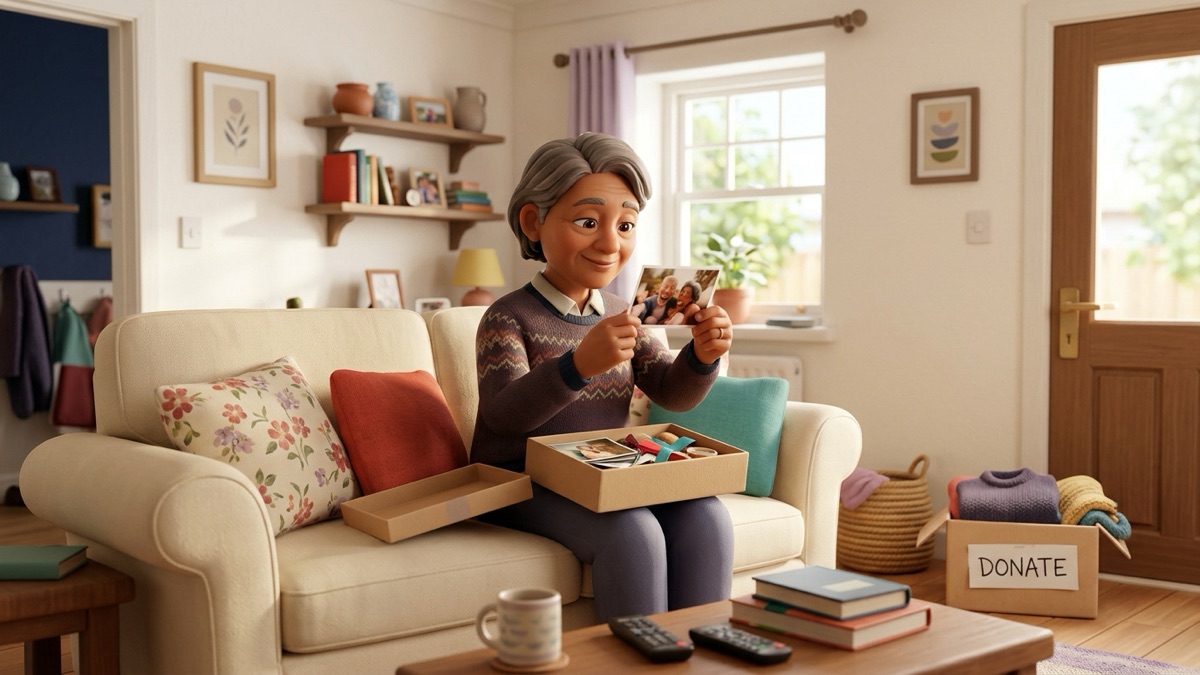
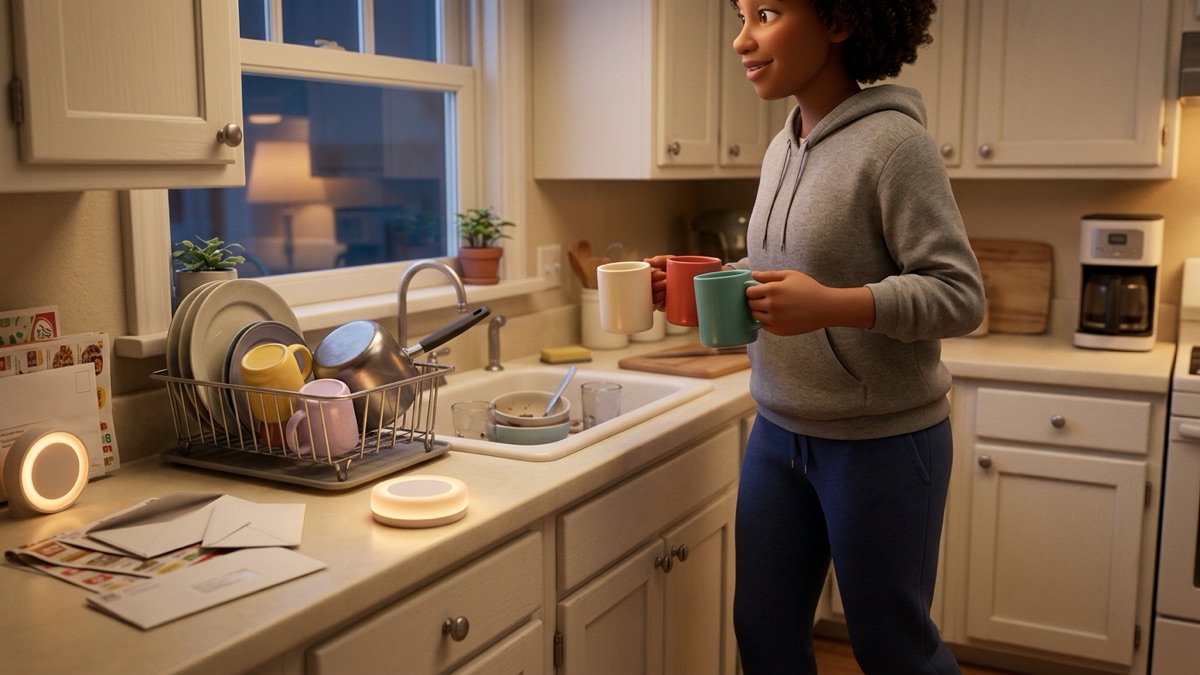
ADHD Cleaning: A Zero-Shame Guide to a Tidier Home