
Blog how to clean
How to Clean Your House: The Low-Energy, Room by Room Way
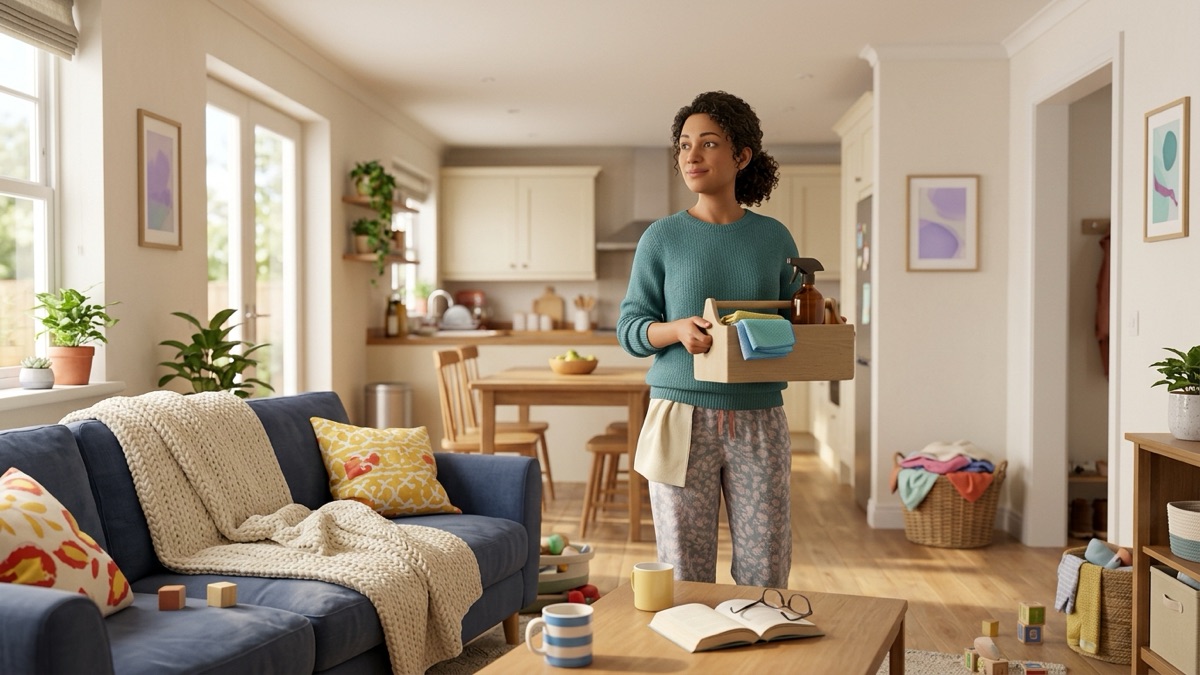
The whole house needs cleaning, and your brain has decided the only reasonable response is to look at your phone. Fair. A whole house is too big to start. A room is smaller, and one 10 minute sprint in one room is smaller still.
Quick answer
Clean one room at a time in short sprints. In each room, pick up first, then wipe surfaces from top to bottom, then do the floor. Use one cleaner at a time, follow the label and open a window or run the fan. Do the 10 minute version of each room on low days, and save deep cleans for another day.
Key takeaways
- One room, one sprint. A house gets clean in pieces, not in one heroic weekend.
- In every room: pick up, then wipe from top to bottom, then do the floor. Dry jobs before wet ones.
- One cleaner at a time. Never mix bleach with ammonia, vinegar or other acids, open a window or run the fan, and follow the label.
- Soap and water cleans most of a home. The CDC suggests disinfecting mainly when someone is sick or at higher risk.
- Keep supplies where you use them, and save the sit-down jobs for low-energy days.
Where do you start when the whole house needs cleaning?
Start with what makes the house work for you: clean dishes, trash out, a clear path through the rooms, a place to sleep and a place to eat. Everything else is a bonus round.
Then pick one room. On a low day, pick the one you use most, which is usually the kitchen or the bathroom. On a better day, pick the one that bugs you most. Either way, only that room for now.
Inside the room, work in this order:
- Pick up. Trash in a bag, dishes to the kitchen, laundry into one basket, things that live elsewhere into a "goes somewhere else" box.
- Wipe, top to bottom. Shelves and counters before tables, tables before floors, so crumbs and dust fall onto parts you have not cleaned yet.
- Floors last. Vacuum or sweep, then mop if the floor needs it.
CHADD's tips for organizing a home fit this nicely: break a complex task into smaller steps, and plan short sessions of 10 to 15 minutes if longer ones feel frustrating. It also suggests a 10 minute pickup each night, which we come back to at the end.
If ADHD is part of your story, you are not imagining the difficulty. NIMH lists trouble organizing tasks and forgetting daily activities such as chores among the signs of inattention. A health care provider or mental health professional can help with the ADHD side. This guide handles the dishes.
Try it
Not sure which room first? Open the free cleaning sprint timer, pick "I don't know where to start" and 10 minutes, and it will hand you one tiny task at a time, with a body double for company.
What is the one-cleaner rule?
It is the most important rule in this guide: use one cleaning product at a time. Here is why.
- Some mixes make toxic gas. The CDC says never to mix household bleach with other cleaners or disinfectants, because it can release vapors that are very dangerous to breathe. Poison Control explains that bleach plus ammonia (in many glass cleaners) makes chloramine gas, and bleach plus an acid (vinegar and some toilet bowl cleaners) makes chlorine gas.
- Leftovers count as mixing. Poison Control describes someone who used an acid toilet bowl cleaner, forgot to flush, then added a bleach cleaner and got sick right away. Rinse or flush between products, or better, stick with one.
- Air it out. The CDC says to keep good ventilation when using cleaning products indoors, with a fan or open windows and doors. Poison Control singles out small rooms like bathrooms: open a window or door and run the exhaust fan.
- Follow the label. The CDC says to read and follow the directions on disinfecting products, and EPA notes the label tells you how to use and store the product, the first aid steps and who to call.
- Keep products in their own bottles. EPA says never to store hazardous products in food containers and never to remove labels. Poison Control suggests cabinets with child-resistant latches rather than an unlocked low cabinet.
If you want gentler products, EPA's Safer Choice label marks cleaning products with safer chemical ingredients that still have to perform comparably to conventional ones.
Heads up
Strong cleaners (bleach, oven cleaner, toilet bowl cleaner, anything that stings your nose) get a window open or the fan on, and their label read first. Never mix bleach with ammonia, vinegar or other acids. If you breathe in fumes, leave the room and get fresh air. Poison Help in the US: 1-800-222-1222, free and confidential.
Do you need to disinfect, or just clean?
Mostly, just clean. The CDC puts it simply: cleaning removes most germs, dirt and impurities from surfaces, and disinfecting kills most germs. It suggests disinfecting your home when someone is sick or at higher risk of getting sick.
When you do disinfect, EPA's steps are: read the directions, clean the surface first if it is dirty, and keep it wet for the full contact time on the label. That is more steps than a wipe, which is one more reason soap and water is the everyday default.
What is the 10 minute version of each room?
This is the heart of the guide. Each room gets a short version you can do on a hard day, and links to the full guides for when you have more in the tank.
| Room | The 10 minute version | Full guides |
|---|---|---|
| Kitchen | Dishes in, counters and stovetop wiped, trash out | Deep clean a kitchen, stove grates, dishwasher, oven racks |
| Bathroom | Fan on, sink and tap wiped, toilet bowl and seat, mirror | Bathroom in 15 minutes, toilet, mirrors, deep clean a bathroom |
| Shower and tub | Rinse, one wall wiped, squeegee | Shower tiles, shower head, grout, bathtub |
| Living room | Cups out, surfaces cleared, blanket folded, middle of the floor vacuumed | Couch, spot clean carpet |
| Floors and walls | Vacuum the paths, spot mop sticky bits | Tile floors, baseboards, walls |
| Bedroom | Clothes into one basket, cups out, covers pulled up | Clean your room step by step |
Kitchen
Dishes first, because a clear sink makes everything else possible. Then wipe the counters and the stovetop with a damp cloth and a little dish soap, and take the trash out if it is full. For a bigger reset, the kitchen deep cleaning checklist breaks the whole room into sprints. Check the manual before you clean inside an oven or dishwasher.
Bathroom
Turn on the fan or open a window before any cleaner comes out. Wipe the sink and tap, brush the toilet bowl, wipe the seat and lid, and give the mirror a quick pass. If you use a toilet bowl cleaner, let it be the only cleaner in the bowl, and flush before using anything else.
Shower and tub
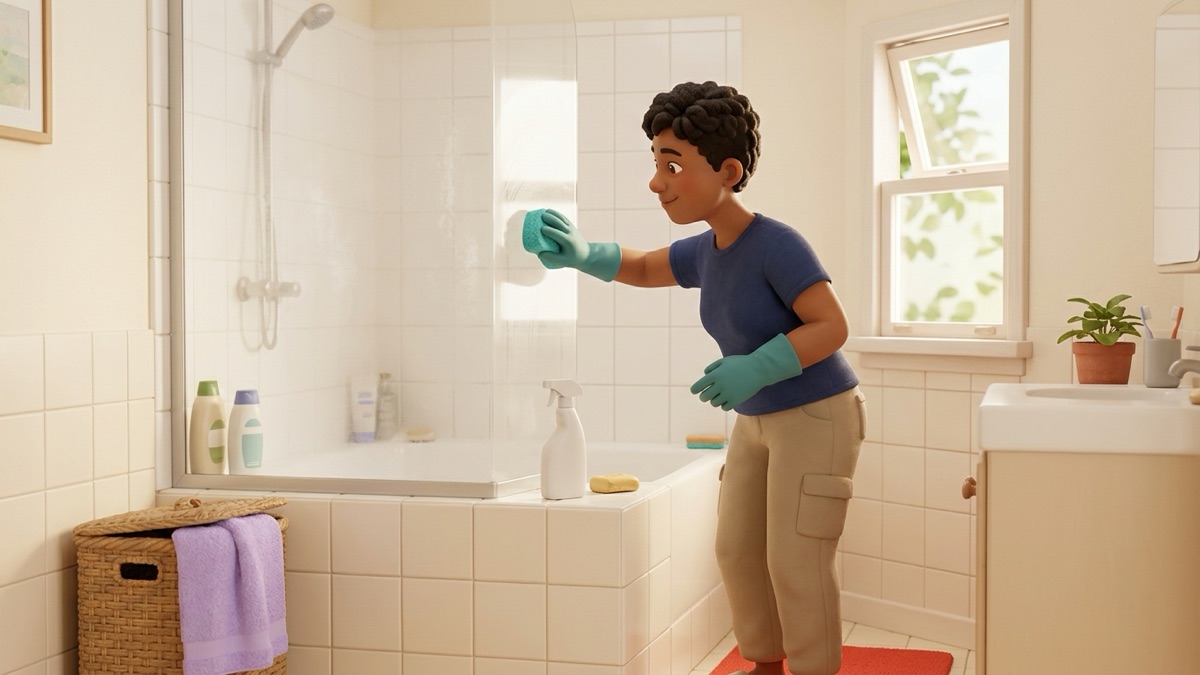
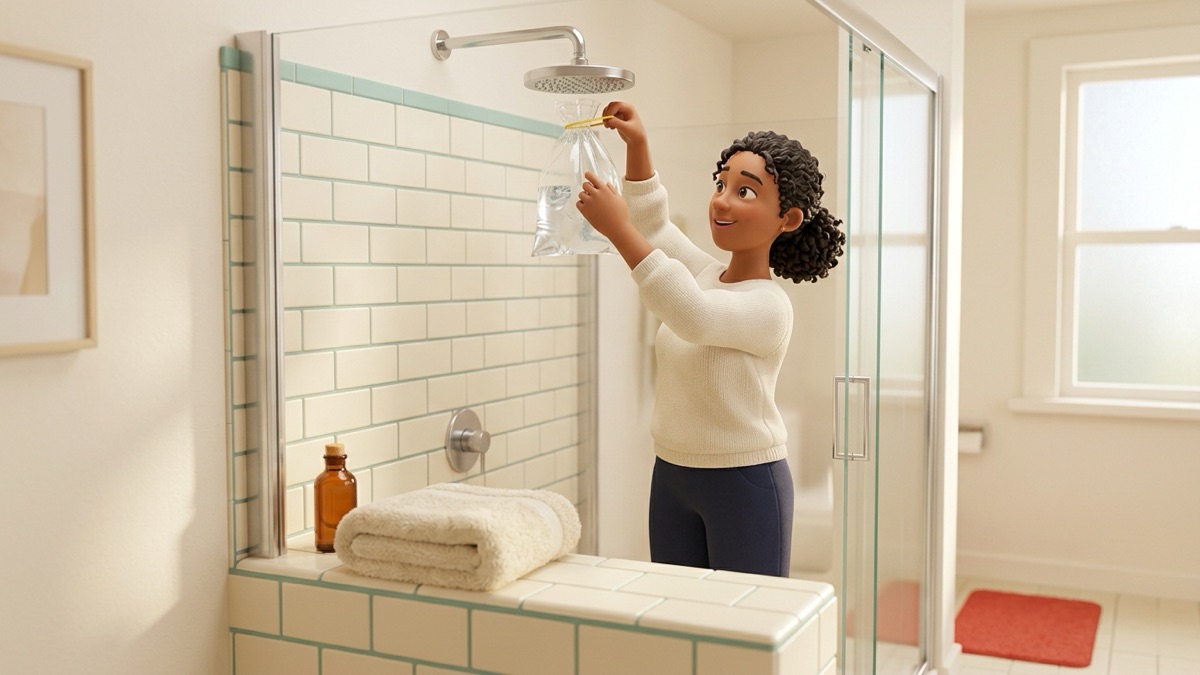
Rinse the walls with warm water, clean one wall with one cleaner, rinse and squeegee. That is enough for today. Mineral crust on the shower head is a soak-and-walk-away job, and mold bigger than about 10 square feet is, per EPA, a job for a professional rather than a sprint.
Living room
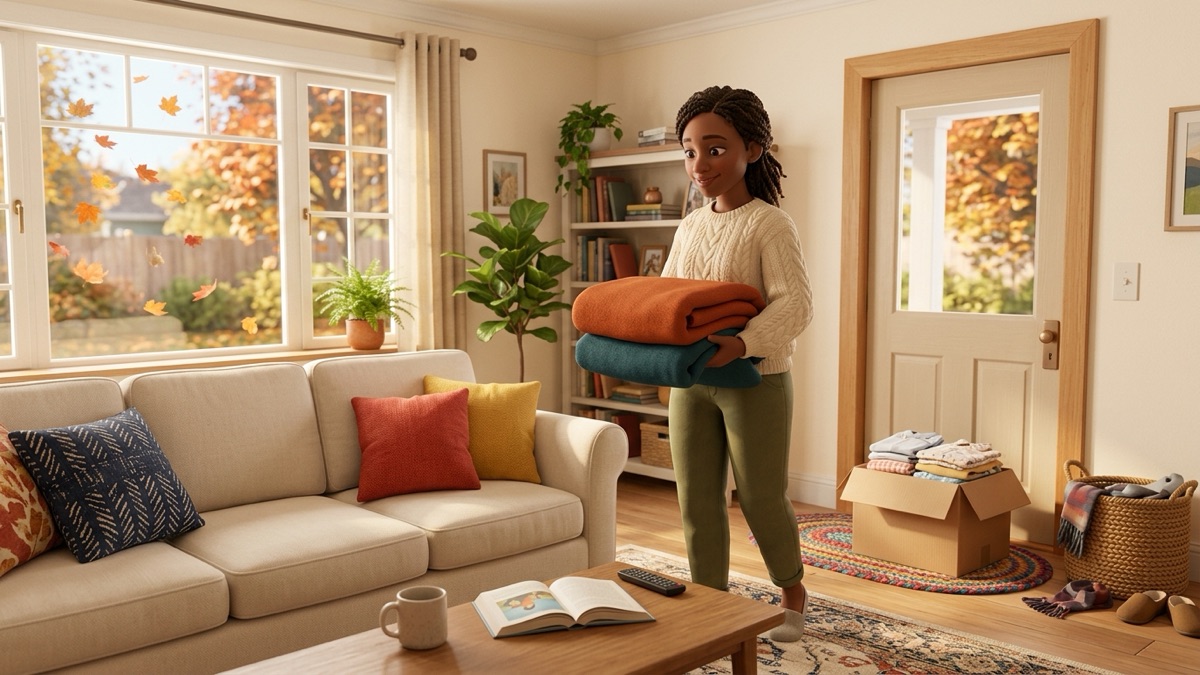
Carry every cup and plate to the kitchen, clear the coffee table down to three things, fold the blanket and plump the cushions, then vacuum only the middle of the floor. Nobody checks under the sofa on a Tuesday.
Floors, walls and baseboards
Vacuum the paths you actually walk. Spot mop the sticky bits instead of the whole floor. Baseboards and walls are monthly jobs at most, and a vacuum brush does most of the work.
Bedroom
All the clothes go into one basket, even the clean ones. Cups out, covers pulled up (that counts as made). You now have a room you can rest in, which is the point.
How long does it take to clean a whole house?
Longer than one burst of energy, which is exactly why you should not try to do it in one. A useful way to think about it is in sprints rather than hours. Here is one way a small two-bedroom home could get a full clean across a week, one or two 15 minute sprints a day:
| Day | Sprint | What gets done |
|---|---|---|
| 1 | Kitchen | Dishes, counters, stovetop, trash out |
| 2 | Bathroom | Sink, toilet, mirror, one shower wall |
| 3 | Bedrooms | Clothes into baskets, sheets changed in one room |
| 4 | Living room | Surfaces cleared, cushions, vacuum |
| 5 | Floors | Vacuum the paths, spot mop the kitchen and bathroom |
| 6 and 7 | Rest, or one deep job | Grout lines, baseboards in one room, or nothing at all |
Your home, your energy and your week will be different, and that is fine. The point is that each day has one small, finishable job, and a skipped day just slides along.
Which cleaning tools save the most energy?
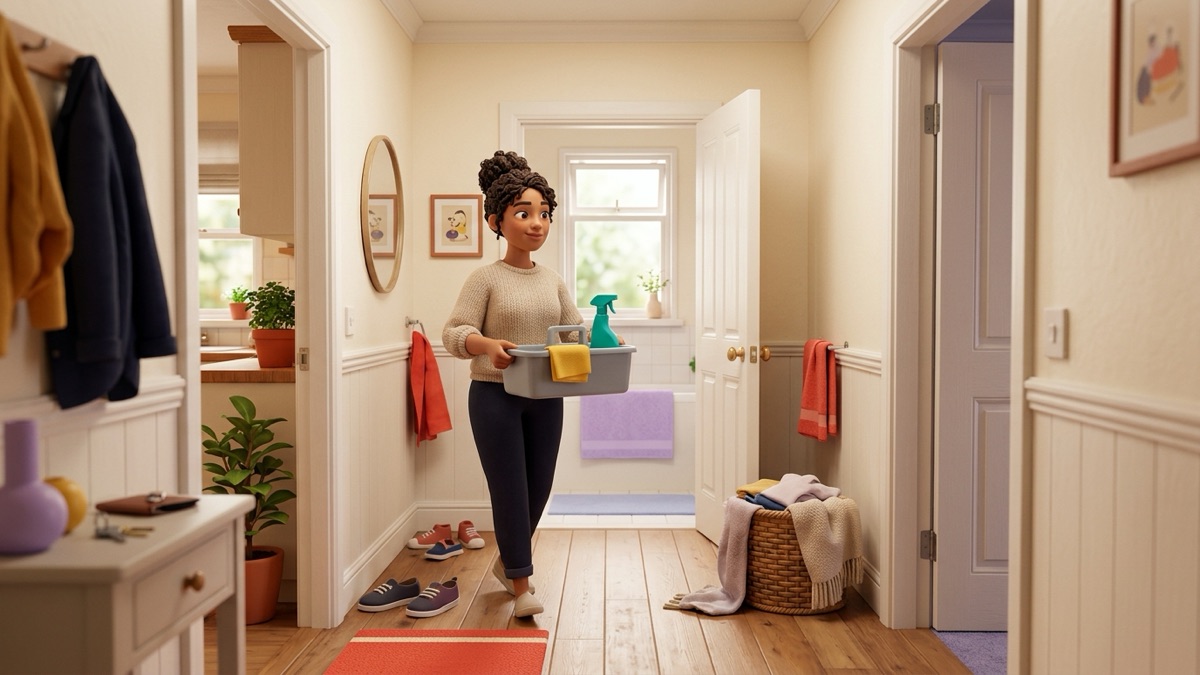
The best tool is the one within reach when you have a spare minute. A few earn their spot:
| Tool | What it saves | Low-energy tip |
|---|---|---|
| A caddy or bucket | Trips around the house | Keep one in the bathroom and one in the kitchen |
| Microfiber cloths | Extra products | Warm water alone cleans a lot |
| Vacuum with brush and crevice tools | Bending and separate dusting | Dust baseboards while the vacuum is out |
| Long-handled scrub brush | Kneeling in the tub or shower | Scrub standing up |
| Squeegee | Future scrubbing | Hang it inside the shower |
| A timer | Deciding when to stop | Stop when it rings, even mid-task |
Spare trash bags folded in the bottom of each bin save a trip every time. Cleaning supplies stored in the room where you use them save several.
What can you clean sitting down?
On a low-energy day, sitting down is not cheating. It is strategy. Try these:
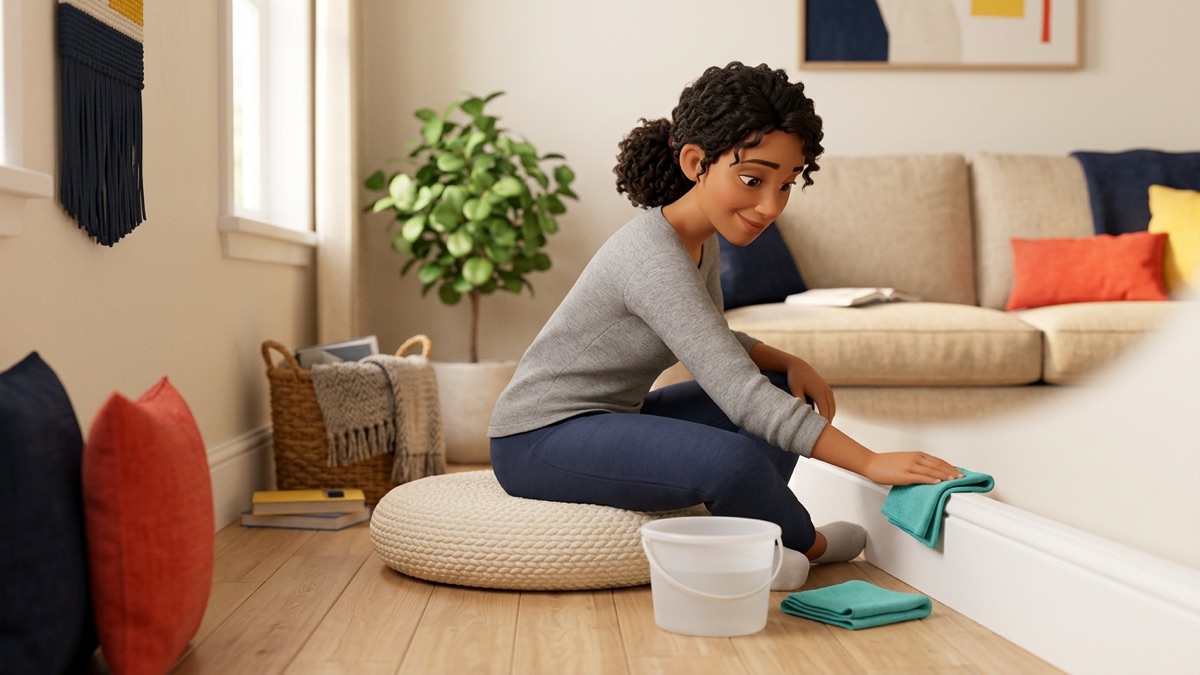
- Baseboards from a floor cushion, scooting along one wall. The baseboards guide has the sitting method.
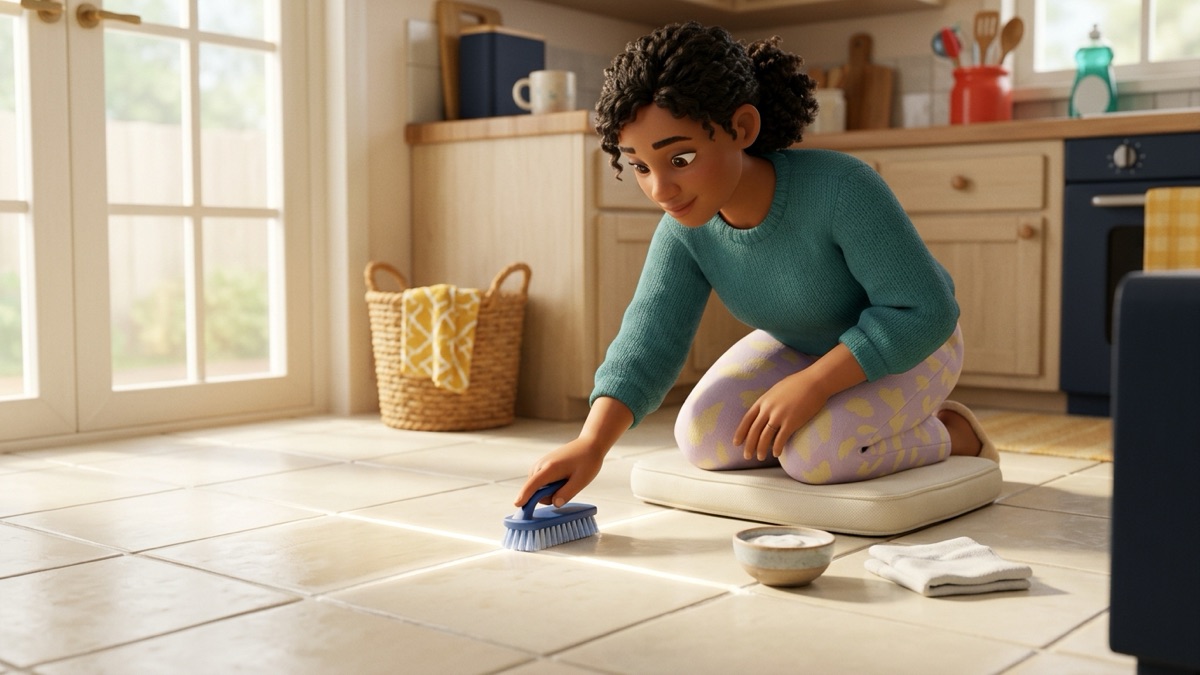
- Grout lines, one or two at a time, on a knee cushion. See how to clean tile grout.
- Fridge shelves at the kitchen table: take one shelf out, wipe it, put it back.
- Soaking jobs: stove grates, oven racks or a shower head bag do their work while you sit.
- Lower cabinet fronts and the kitchen table legs, from a low stool.
- Folding laundry and sorting mail on the couch, with a show on.

How do you keep the house clean once it is clean?
You do not need a perfect system. You need a small, repeatable one.
- A 10 minute pickup most nights. CHADD suggests a 10 minute pickup each night. Dishes, 5 things back, counters wiped, trash out if full.
- One zone per cleaning day. Kitchen Monday, bathroom Wednesday, and so on, instead of everything every week.
- A good-enough standard. Clean enough to use and rest in is the goal. Magazine clean is optional.
- Skipped days are part of the plan. Pick up where you left off, not from the beginning.
Try it
The free cleaning schedule maker asks five quick questions about your home, your energy and your minutes, then builds a weekly schedule with one zone per cleaning day, a 5 minute daily reset and a monthly list, all on one printable page.
For more on pacing, see speed cleaning without burnout and a realistic cleaning schedule. On the hardest days, how to clean when you have no energy starts even smaller. When you want the full picture, the deep cleaning checklist covers the whole house in sprints.
A kind wrap-up
A clean house is just a lot of small jobs that each got their turn. Pick one room, do its 10 minute version, and stop. Tomorrow, another room, or a rest day, which also counts.
Keep the one-cleaner rule, open a window when a label asks you to, and let the guides above handle the details one job at a time. The TidySprint app, coming soon, will turn a photo of any room into a short list of tiny tasks and run the sprint with you.
TidySprint guides share practical cleaning and routine ideas. They are not medical advice, diagnosis or treatment. If ADHD, depression or anything else is making daily life hard, please talk to a clinician. Using a strong cleaner? Open a window, follow the label, and never mix bleach with ammonia, vinegar or other cleaners.
Questions people ask
How do I clean my house when I have no energy?
Pick one room, set a timer for 5 or 10 minutes and do only that room's short version: dishes and trash in the kitchen, sink and toilet in the bathroom, clothes into one basket in the bedroom. Stop when the timer stops. Another room can be another day.
What order should you clean a house in?
Within each room, pick up first, then wipe surfaces from top to bottom, then do the floor last, so dust and crumbs fall onto parts you have not cleaned yet. Across the house, start with what you use most, usually the kitchen and bathroom.
Which cleaning products should never be mixed?
Never mix bleach with ammonia, which is in many glass cleaners, or with acids such as vinegar and some toilet bowl cleaners. Poison Control says these mixes make chloramine or chlorine gas. The safest habit is one cleaner at a time, following its label.
Do I need to disinfect my house when I clean?
Usually not. The CDC says household cleaners with soap or detergent remove most germs and dirt, and suggests disinfecting when someone is sick or at higher risk of getting sick. If you disinfect, clean first and follow the label's contact time.
How often should you deep clean your house?
There is no single right answer. Many people spread deep cleaning across the year, one room or one job at a time, and keep the rest going with short weekly cleans and a 10 minute evening pickup.
Where these facts come from
- CDC: When and How to Clean and Disinfect Your Home: www.cdc.gov/hygiene/about/when-and-how-to-clean-and-disinfect-your-home.html
- CDC: Cleaning and Disinfecting with Bleach: www.cdc.gov/hygiene/about/cleaning-and-disinfecting-with-bleach.html
- Poison Control: Chlorine gas: www.poison.org/articles/chlorine-gas
- Poison Control: Top tips for a safe spring cleaning: www.poison.org/articles/spring-cleaning
- EPA: Read the Label First! Protect Your Household (fact sheet): www.epa.gov/sites/default/files/2016-02/documents/household.pdf
- EPA: Household Hazardous Waste: www.epa.gov/hw/household-hazardous-waste-hhw
- EPA: Learn About the Safer Choice Label: www.epa.gov/saferchoice/learn-about-safer-choice-label
- EPA: Six Steps for Safe and Effective Disinfectant Use: www.epa.gov/pesticide-registration/six-steps-safe-effective-disinfectant-use
- EPA: A Brief Guide to Mold, Moisture and Your Home: www.epa.gov/mold/brief-guide-mold-moisture-and-your-home
- America's Poison Centers: Poison Help: poisonhelp.org/
- CHADD National Resource Center on ADHD: Organizing the Home and Office Space: chadd.org/for-adults/organizing-the-home-and-office-space/
- NIMH: Attention-Deficit/Hyperactivity Disorder, What You Need to Know: www.nimh.nih.gov/health/publications/attention-deficit-hyperactivity-disorder-wh
Read next
how to clean
How to Clean Baseboards: The 10 Minute Version
schedules checklists
Fall Cleaning Checklist: A Cozy Reset in Short Sprints
schedules checklists
ADHD Cleaning Schedule: Daily, Weekly and Monthly